
Cost of Living in Malta for International Students
Malta is a vibrant Mediterranean country with a stable economy, a high-quality education system, and a welcoming international student community. Over the years, it has become an attractive destination for students seeking an affordable European study experience. If you are planning to study in Malta, understanding the cost of living is an essential part of preparing for your move.
The average monthly living expenses for students in Malta typically range between €800 and €1,200 per month, depending on lifestyle, location, and accommodation type. This estimate usually includes rent, food, transport, utilities, and personal expenses.
Accommodation remains one of the highest monthly costs for students, especially in popular areas such as Sliema, St Julian’s, and Valletta. More affordable options can be found in locations like Birkirkara and Naxxar, where many students choose to live due to balanced pricing and convenient access to universities.
Beyond expenses, Malta offers a comfortable and student-friendly environment. With access to public healthcare, reliable public transport, part-time work opportunities, and a supportive academic community, students can maintain a manageable budget while enjoying their study experience.
If you need assistance in securing safe and affordable housing, Oliasi Malta provides fully furnished student accommodation in trusted locations, helping international students settle in with confidence and peace of mind.
Cost of Studying in Malta for International Students
Tuition fees are one of the main academic expenses for students studying in Malta. Understanding these costs helps students plan their education budget more effectively before arrival.
Public higher education institutions such as the University of Malta generally offer free or highly subsidised tuition for Maltese and EU/EEA students, who may only need to pay administrative or registration fees. For non-EU international students, tuition fees are higher. In 2026, tuition fees typically range between €6,000 and €12,000 per academic year, depending on the programme, institution, and field of study. Courses in areas such as medicine, engineering, information technology, and specialised research programmes tend to be more expensive. Tuition fees may also vary based on whether the programme is undergraduate or postgraduate and whether the institution is public or private.

Under the Bologna Process, the education department of the Malta government, universities, and schools run different scholarship programs to foster affordable education for talented international students, along with leveraging them to work part-time. All these together make the cost of studying in Malta budget-friendly for international students.
Cost of Students Accommodation in Malta
- University Accommodation: Higher education institutions in Malta provide accommodation facilities to students at a low cost in the campus proximity. It is a co-living space having facilities on sharing basis, such as laundry, library, play areas, etc. These accommodations help students socialize with their fellows and seniors. Also, they are easy to find.
- Studio Apartments: It is a common and popular accommodation in Malta. Students who prefer privacy chose this. It is privately owned and includes facilities like a kitchen, washroom, study area, and common area. In a studio apartment, residents incur the maintenance cost. Additionally, these apartments often have internet and security facilities but are charged separately. The average rental of this space ranges between €500 to €800. To reduce its cost, students share the property with a room partner; nevertheless, finding a room partner in a foreign land is not as easy.
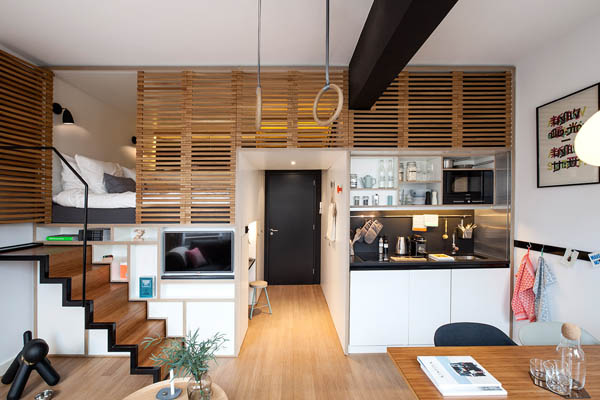
- Shared Apartments: The shared apartment is usually 2-3 BHK apartments. It is the most preferred Student accommodation in Malta. The benefit of living in this apartment is you can share the space with other international students and get a chance to learn different cultures and languages. Its average cost is between €300 to €600 per month, depending on the level of furnishing in the house and the number of occupants.
- Homestay: This accommodation is ideal for students eager to learn the Maltese and English languages and immerse themselves in the local culture. In this arrangement a student stays with a Maltese family in a separate room. Residing in this housing option gives students the opportunity to master both Maltese and English while forging deeper connections with their host family members.
Most Common Phrases & Abbreviations in Malta
When searching for student accommodation in Malta, you may come across unfamiliar local phrases and abbreviations, especially if you are new to the country. Understanding these common terms will help you read property listings more confidently and avoid confusion when signing rental agreements or communicating with landlords.
- Appartament :Apartment
- Sular t’isfel: Ground floor
- Kamra doppja: Double room
- Mgħammar kompletament : Fully furnished
- Spazjuż Spacious
- Kuntratt bil-miktub :Written agreement
- Depożitu :Deposit
- Kuntratt tal-kera:Rental contract
- Kera :Rent
- Kont tal-elettriku :Electricity bill
- Kont bankarju :Bank account
- Viċin is-servizzi :Close to amenities
- Manutenzjoni :Maintenance
Don’t forget to keep important emergency contact numbers with you while living in Malta. Check our emergency support guide for quick access to essential helpline numbers in urgent situations.

Cost of Food and Groceries in Malta
The cost of groceries in Malta is relatively manageable for students, especially for those who cook at home regularly. On average, a student can expect to spend between €250 and €400 per month on groceries, depending on dietary habits and shopping choices.
This monthly grocery budget typically includes essential items such as:
- Fresh fruits and vegetables
- Rice, pasta, and grains
- Meat, poultry, or fish
- Dairy products
- Cooking oil and pantry items
- Basic household necessities
Students who shop smartly at larger supermarkets or discount chains can keep their costs lower. Popular supermarket chains in Malta include Lidl, Pavi, Scotts, Greens, and Welbee’s, which offer a range of affordable options. Weekly markets and local produce vendors are also good choices for fresh fruits and vegetables at competitive prices.
While imported goods and speciality products may be more expensive, sticking to locally sourced and seasonal items helps maintain a balanced and budget-friendly grocery plan.
Overall, grocery costs in Malta remain reasonable compared to many Western European countries, making it easier for students to manage their monthly food budget.
Book today at Oliasi student house, Malta.

- The local shops in Malta are a great option to buy groceries. They are cheap and keep most stuff. Supermarkets like gs groups of supermarkets, Scotts, and Tower stores are also affordable. For fruits and vegetables, there is nothing better than local vendors.
Don’t forget to explore nearby restaurants, cafés, supermarkets, and popular places while living in Malta. Check our Malta guide to discover student-friendly locations, local attractions, and useful everyday spots.
Cost of Transportation in Malta
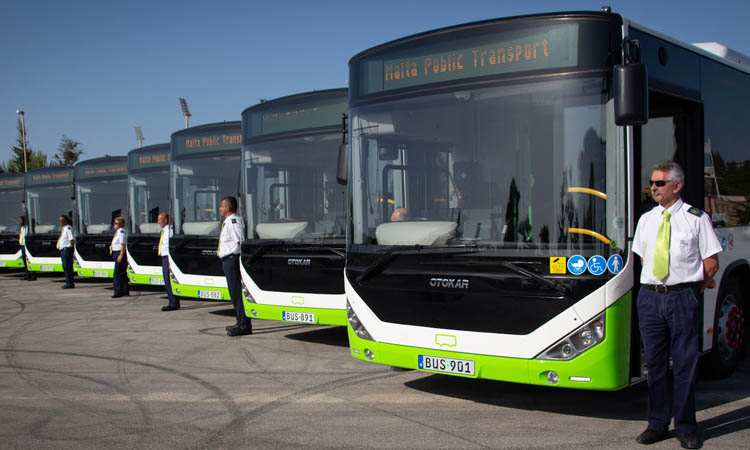
- The island country is small; therefore, transportation is not a challenge here. Also, it has got well-managed public transportation system within the country. It includes public buses, ferries, taxis, car rentals, and bicycles.
- The cost of transportation varies according to the chosen mode. Public buses are commonly used in the country because of their affordability, connectivity and frequency. Tallinja is a monthly bus pass for all citizens of Malta. It gives unlimited free rides to the cardholders. International can also have one by submitting a few documents. It helps save lot of cost on transportation.
- Bicycle is another pocket-friendly mode of transportation among students. Some universities and student organizations run bicycle-sharing programs for students. Its rental fee varies between €5-€15 per day.
- The range of accommodation is €300 to €700 per month here. Food is not expensive when not eaten outside. The average food cost in the city is between €300-€400. So, collectively the average cost of living in Malta for students lands to approximately €2000 to €3500, including tuition fees.
Frequently Asked Questions
Planning to Study and Live in Malta?
Discover affordable student accommodation and start your Malta journey with confidence at Oliasi Student House.